Learn about Space Heating

See the Space Heating Range

Frequently Asked Questions

Which Outdoor Heater is best for my space?

It depends on how exposed or sheltered the area is. Open or windy spaces generally suit Mid-Wave infrared heaters because they provide stronger, more direct radiant heat. Enclosed or sheltered spaces generally suit Long-Wave infrared heaters, which provide gentler, more ambient warmth.

What is the difference between Mid-Wave and Long-Wave infrared Outdoor Heaters?

Mid-Wave heaters deliver faster, more intense radiant heat and are generally better suited to outdoor conditions with airflow. Long-Wave heaters operate at a lower surface temperature and provide more even, ambient warmth in enclosed or sheltered areas.

Do electric Outdoor Heaters heat the air or people directly?

Electric infrared Outdoor Heaters primarily heat people and surfaces directly rather than heating the surrounding air. This makes them generally more effective outdoors than fan or convection heaters. The longer the wave, the more the warmth may be felt in surrounding surfaces and nearby air, but infrared heaters do not create convective air movement like a fan heater.

Do Outdoor Heaters work in windy areas?

Yes, when the right type of Outdoor Heater is chosen. Mid-Wave infrared heaters generally perform better in windy or open areas because their radiant heat is more directional and less affected by airflow.

How long does an Outdoor Heater take to warm up?

Mid-Wave heaters feel warm almost immediately after switching on. Long-Wave heaters take slightly longer to feel noticeable, but provide steady, comfortable warmth once the area has warmed up.

How far does heat from an Outdoor Heater travel?

Heat distance depends on the heater type, output and mounting height. Infrared heat travels in a straight line, so correct positioning above seating and entertaining areas is essential.

How do I choose the right size Outdoor Heater?

Choose based on the area being heated and how open or sheltered the space is. Larger or more exposed spaces may need multiple Outdoor Heaters rather than a single higher-output unit.

Is higher wattage always better for an Outdoor Heater?

No. Heater placement and heater type matter as much as wattage. A well-positioned Outdoor Heater with suitable output will usually perform better than an oversized heater installed too far away.

How many Outdoor Heaters do I need?

Small spaces with defined seating may only need one Outdoor Heater. Larger or more open areas usually perform better with two or more Outdoor Heaters spaced evenly to help avoid cold zones.

What is the best Outdoor Heater for a small balcony?

Small balconies usually suit lower output Outdoor Heaters designed to cover around 10 to 12 square metres, especially when the space is partially enclosed.

What is the best Outdoor Heater for a large alfresco area?

Large alfresco areas often require multiple Outdoor Heaters, particularly if the area is open on one or more sides. Spreading heat sources more evenly helps improve comfort across the area.

Wall-mounted or ceiling-mounted, which Outdoor Heater setup is better?

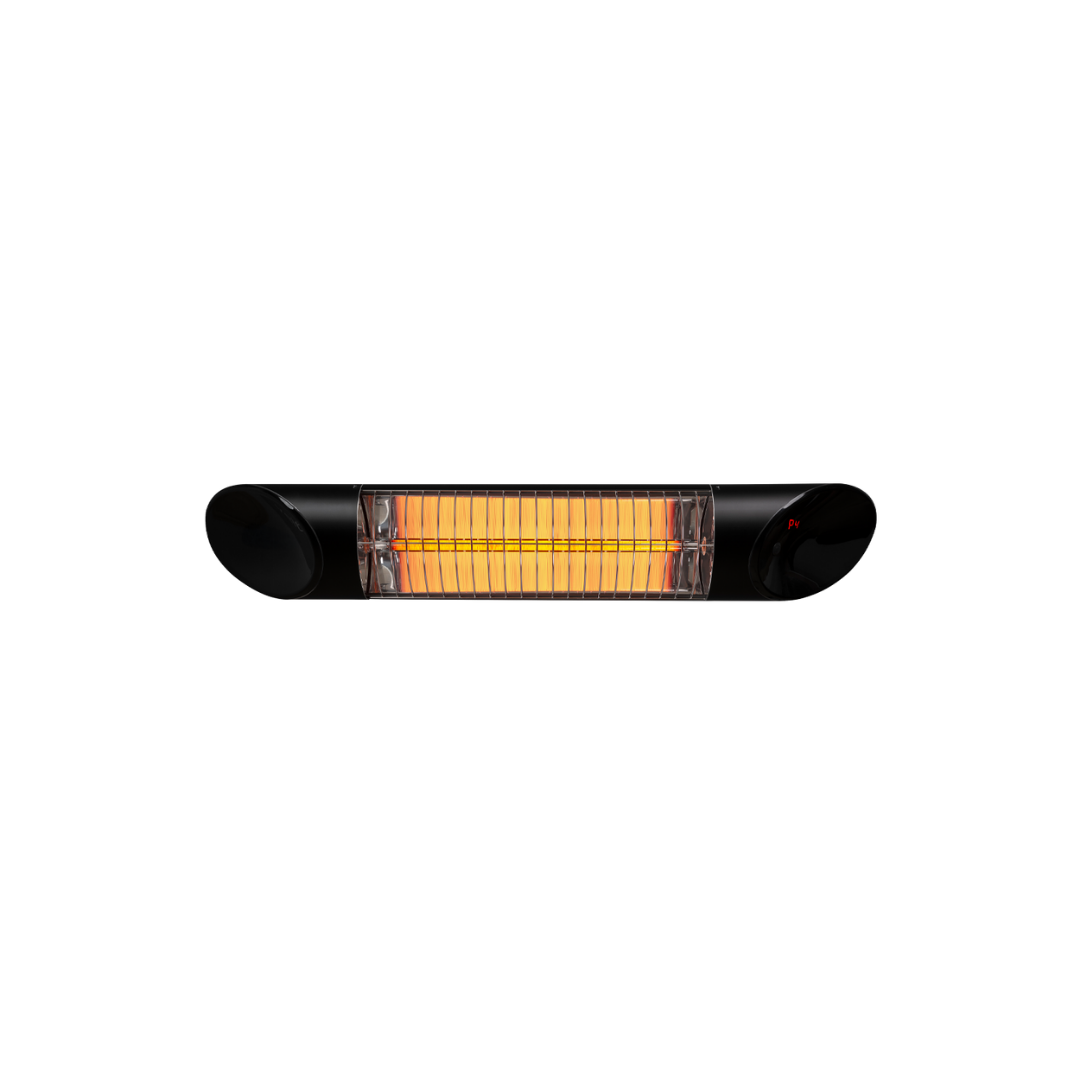
Ceiling-mounted Outdoor Heaters often provide more even coverage over tables and seating areas. Wall-mounted Outdoor Heaters suit narrow or long spaces where heat needs to project horizontally, or where the area has very high ceilings or an opening roof.

Can Outdoor Heaters be Free Standing?

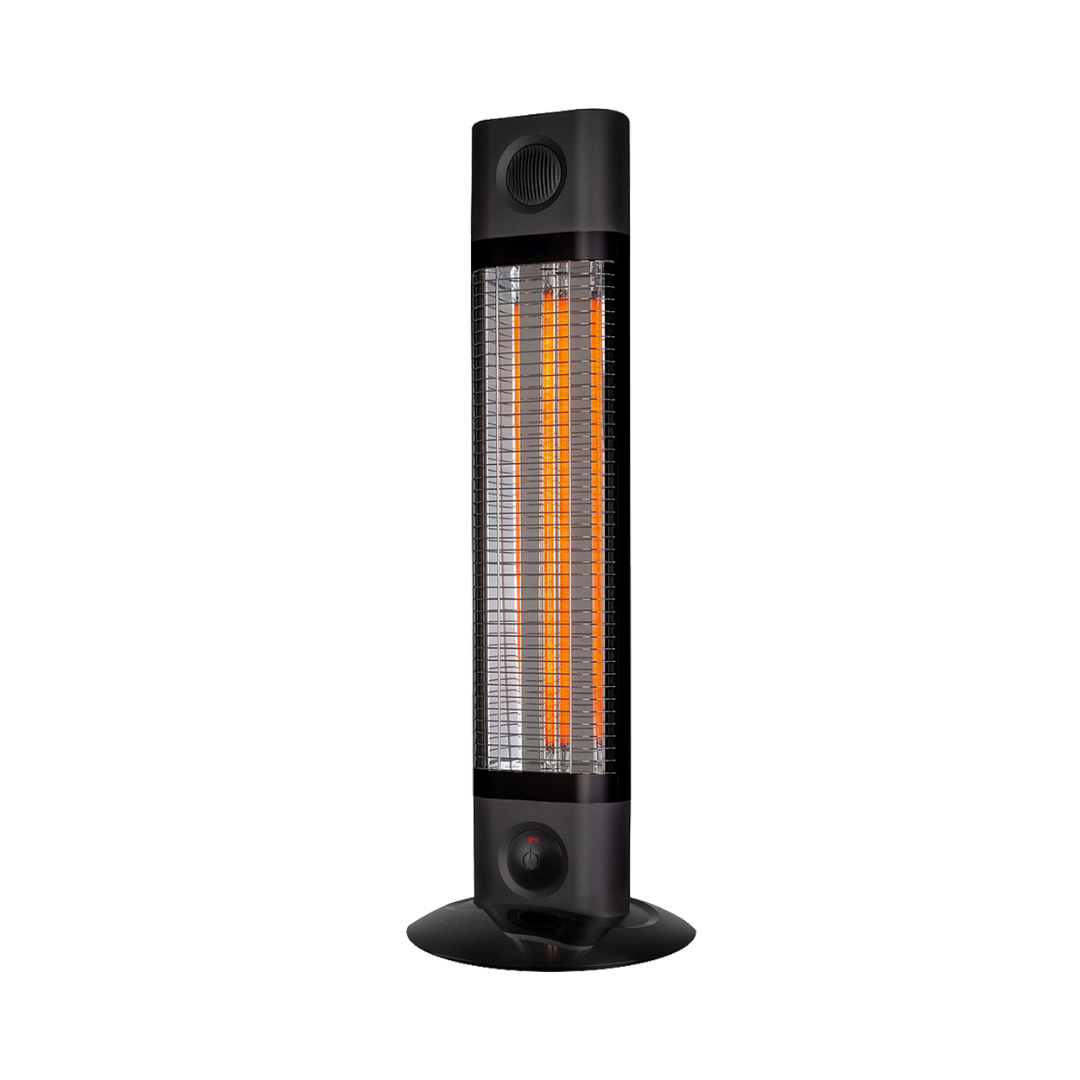
Yes. Free Standing Outdoor Heaters offer flexibility and are ideal for renters or spaces where fixed installation is not possible. Cedar models include safety features such as a tip-over safety switch.

Where should an Outdoor Heater be installed?

Outdoor Heaters should be positioned so heat is directed towards people rather than open space. Mounting height, distance to seating and clearances from walls and ceilings must follow manufacturer guidelines.

What clearance is required around an Outdoor Heater?

Clearance requirements vary by Outdoor Heater model. Always follow the installation instructions supplied with the Outdoor Heater to maintain safety and performance.

Are electric Outdoor Heaters safe?

Yes, when installed correctly and used as intended. Modern electric Outdoor Heaters can include safety features such as overheat protection, protective grilles and automatic shut-off on portable models.

Can Outdoor Heaters get wet?

Outdoor Heaters are rated for different exposure levels. Higher IP ratings suit more exposed outdoor areas, while lower IP ratings are intended for sheltered outdoor or indoor spaces.

What does an IP rating mean for an Outdoor Heater?

An IP rating indicates how resistant an Outdoor Heater is to dust and moisture. Choosing the correct IP rating for the installation environment is important for durability and safety.

Do Outdoor Heaters need maintenance?

Electric infrared Outdoor Heaters require minimal maintenance. Keeping the Outdoor Heater clean and free from dust or debris is usually sufficient.

Can Outdoor Heaters be used indoors?

Some Outdoor Heater models are suitable for both indoor and outdoor use. Always check the product specifications before installing an Outdoor Heater indoors.

Do Outdoor Heaters make noise?

Electric infrared Outdoor Heaters operate silently because they do not use fans.

Do infrared Outdoor Heaters produce light?

Mid-Wave heaters emit a visible glow. Long-Wave heaters produce no visible light, making them more discreet.

Can I control Outdoor Heaters with a remote?

Yes. Our Outdoor Heater range includes models with remote controls for adjusting heat levels, temperature and countdown timers.

Are timers available on Outdoor Heaters

Yes. Our Outdoor Heater range includes models with countdown timers that automatically switch the heater off after a set period.

Are smart or Wi-Fi controls available on Outdoor Heaters?

Lotus Outdoor Heaters include Wi-Fi connectivity, allowing control via a smartphone app as well as a remote control.

Do Outdoor Heaters require Hardwired installation?

Lower output Outdoor Heater models are often supplied with a lead and plug. Higher output Outdoor Heater models may require Hardwired installation by a licensed electrician.

Are Outdoor Heaters expensive to run in Australia?

Running cost depends on heater output, usage time and your electricity tariff. Using timers and Thermostats can help manage energy use. For example, a 2000W heater costs about $0.76 per hour to run and a 1200W heater costs about $0.46 per hour to run, based on an electricity tariff of 38 cents per kWh.

Can the elements be replaced if they fail?

The elements are not easily replaceable like a simple light globe. The elements have a 12,000 hour lifespan so you can be confident that you heater will last for years to come. In the rare case the element does die within its warranty period, we will replace the full unit.

Can the lead be extended?

Yes, the lead can be extended provided it is done in accordance with electrical regulations. For hardwiring, the connection will need to meet electrical regulations, and a suitably rated cable will need to be used. For a plug-in application, a minimum 10amp rated cable would be required, and the lead must be fully uncoiled when in use. We recommend that extension leads be used only on a temporary basis.

How many heaters can you control on the app?

The Smart Life app can handle up to 200 devices. That would be a lot of heaters, but it does a wide range of different items, of course.

How is the best way to clean your heater?

Firstly, ensure the heater has fully cooled before you attempt cleaning. Generally, the heater will just require a light dust or a blow-down to remove any dust that has settled. A dry or slightly damp cloth can be effectively used to do this. Do not use powerful abrasive or solvent cleaning fluids when cleaning the heater. For the Cedar & Ash units, take care not to touch the element as this can leave a residue from you hand that can impact the life of the element.

What is the coating on the surface of the Lotus heaters?

The Lotus has a powder-coated finish, which is then covered in a Radiant Oil coating. This special coating is designed to optimise the infrared radiation performance and protect the heating element.

How hot do the Outdoor Heaters get?

Infrared heaters use an internal heating element, and the temperature depends on the type. Long-wave heaters (e.g. Lotus) get to 300–500°C, while Mid-wave heaters (e.g. ASH) get to 800–1200°C Lower temperatures produce longer wavelengths for softer, ambient heat. Higher temperatures produce shorter wavelengths for faster, more direct heat. These temperatures refer to the internal element only, not the external surface of the heater. The temperature you are trying to achieve in the space can be set on the heater.

Are Thermogroup Outdoor Heaters ceramic heaters?

No, Thermogroup Outdoor Heaters are not ceramic heaters. They use infrared heating elements, such as mid-wave technology, which operate at higher temperatures to deliver fast, direct heat. Ceramic heaters use a different approach, where heat is spread through a ceramic surface. Both are types of heaters, but they use different technologies to produce and deliver heat.

What electrical regulations apply to installing an Outdoor Heater outside?

Outdoor Heaters must be installed in accordance with AS/NZS 3000 (Wiring Rules). As a guide, some of the key install points are as follows. Weatherproofing - a minimum IP44, with IP55+ recommended for exposed areas. RCD protection: Must be connected to an RCD (safety switch). Typically installed at least 300mm above ground, and installed clear of water exposure. Distance from water, a minimum 2m from pools, spas, or water features. Installation must be completed by a licensed electrician.
  • 1
  • 2
  • 3
  • 4
  • 5

Learn about Space Heating

See the Space Heating Range

Frequently Asked Questions

Which Outdoor Heater is best for my space?

It depends on how exposed or sheltered the area is. Open or windy spaces generally suit Mid-Wave infrared heaters because they provide stronger, more direct radiant heat. Enclosed or sheltered spaces generally suit Long-Wave infrared heaters, which provide gentler, more ambient warmth.

What is the difference between Mid-Wave and Long-Wave infrared Outdoor Heaters?

Mid-Wave heaters deliver faster, more intense radiant heat and are generally better suited to outdoor conditions with airflow. Long-Wave heaters operate at a lower surface temperature and provide more even, ambient warmth in enclosed or sheltered areas.

Do electric Outdoor Heaters heat the air or people directly?

Electric infrared Outdoor Heaters primarily heat people and surfaces directly rather than heating the surrounding air. This makes them generally more effective outdoors than fan or convection heaters. The longer the wave, the more the warmth may be felt in surrounding surfaces and nearby air, but infrared heaters do not create convective air movement like a fan heater.

Do Outdoor Heaters work in windy areas?

Yes, when the right type of Outdoor Heater is chosen. Mid-Wave infrared heaters generally perform better in windy or open areas because their radiant heat is more directional and less affected by airflow.

How long does an Outdoor Heater take to warm up?

Mid-Wave heaters feel warm almost immediately after switching on. Long-Wave heaters take slightly longer to feel noticeable, but provide steady, comfortable warmth once the area has warmed up.

How far does heat from an Outdoor Heater travel?

Heat distance depends on the heater type, output and mounting height. Infrared heat travels in a straight line, so correct positioning above seating and entertaining areas is essential.

How do I choose the right size Outdoor Heater?

Choose based on the area being heated and how open or sheltered the space is. Larger or more exposed spaces may need multiple Outdoor Heaters rather than a single higher-output unit.

Is higher wattage always better for an Outdoor Heater?

No. Heater placement and heater type matter as much as wattage. A well-positioned Outdoor Heater with suitable output will usually perform better than an oversized heater installed too far away.

How many Outdoor Heaters do I need?

Small spaces with defined seating may only need one Outdoor Heater. Larger or more open areas usually perform better with two or more Outdoor Heaters spaced evenly to help avoid cold zones.

What is the best Outdoor Heater for a small balcony?

Small balconies usually suit lower output Outdoor Heaters designed to cover around 10 to 12 square metres, especially when the space is partially enclosed.

What is the best Outdoor Heater for a large alfresco area?

Large alfresco areas often require multiple Outdoor Heaters, particularly if the area is open on one or more sides. Spreading heat sources more evenly helps improve comfort across the area.

Wall-mounted or ceiling-mounted, which Outdoor Heater setup is better?

Ceiling-mounted Outdoor Heaters often provide more even coverage over tables and seating areas. Wall-mounted Outdoor Heaters suit narrow or long spaces where heat needs to project horizontally, or where the area has very high ceilings or an opening roof.

Can Outdoor Heaters be Free Standing?

Yes. Free Standing Outdoor Heaters offer flexibility and are ideal for renters or spaces where fixed installation is not possible. Cedar models include safety features such as a tip-over safety switch.

Where should an Outdoor Heater be installed?

Outdoor Heaters should be positioned so heat is directed towards people rather than open space. Mounting height, distance to seating and clearances from walls and ceilings must follow manufacturer guidelines.

What clearance is required around an Outdoor Heater?

Clearance requirements vary by Outdoor Heater model. Always follow the installation instructions supplied with the Outdoor Heater to maintain safety and performance.

Are electric Outdoor Heaters safe?

Yes, when installed correctly and used as intended. Modern electric Outdoor Heaters can include safety features such as overheat protection, protective grilles and automatic shut-off on portable models.

Can Outdoor Heaters get wet?

Outdoor Heaters are rated for different exposure levels. Higher IP ratings suit more exposed outdoor areas, while lower IP ratings are intended for sheltered outdoor or indoor spaces.

What does an IP rating mean for an Outdoor Heater?

An IP rating indicates how resistant an Outdoor Heater is to dust and moisture. Choosing the correct IP rating for the installation environment is important for durability and safety.

Do Outdoor Heaters need maintenance?

Electric infrared Outdoor Heaters require minimal maintenance. Keeping the Outdoor Heater clean and free from dust or debris is usually sufficient.

Can Outdoor Heaters be used indoors?

Some Outdoor Heater models are suitable for both indoor and outdoor use. Always check the product specifications before installing an Outdoor Heater indoors.

Do Outdoor Heaters make noise?

Electric infrared Outdoor Heaters operate silently because they do not use fans.

Do infrared Outdoor Heaters produce light?

Mid-Wave heaters emit a visible glow. Long-Wave heaters produce no visible light, making them more discreet.

Can I control Outdoor Heaters with a remote?

Yes. Our Outdoor Heater range includes models with remote controls for adjusting heat levels, temperature and countdown timers.

Are timers available on Outdoor Heaters

Yes. Our Outdoor Heater range includes models with countdown timers that automatically switch the heater off after a set period.

Are smart or Wi-Fi controls available on Outdoor Heaters?

Lotus Outdoor Heaters include Wi-Fi connectivity, allowing control via a smartphone app as well as a remote control.

Do Outdoor Heaters require Hardwired installation?

Lower output Outdoor Heater models are often supplied with a lead and plug. Higher output Outdoor Heater models may require Hardwired installation by a licensed electrician.

Are Outdoor Heaters expensive to run in Australia?

Running cost depends on heater output, usage time and your electricity tariff. Using timers and Thermostats can help manage energy use. For example, a 2000W heater costs about $0.76 per hour to run and a 1200W heater costs about $0.46 per hour to run, based on an electricity tariff of 38 cents per kWh.

Can the elements be replaced if they fail?

The elements are not easily replaceable like a simple light globe. The elements have a 12,000 hour lifespan so you can be confident that you heater will last for years to come. In the rare case the element dies within its warranty period, we will replace the full unit.

Can the lead be extended?

Yes, the lead can be extended provided it is done in accordance with electrical regulations. For hardwiring, the connection will need to meet electrical regulations, and a suitably rated cable will need to be used. For a plug-in application, a minimum 10amp rated cable would be required, and the lead must be fully uncoiled when in use. We recommend that extension leads be used only on a temporary basis.

How many heaters can you control on the app?

The Smart Life app can handle up to 200 devices. That would be a lot of heaters, but it does a wide range of different items, of course.

How is the best way to clean your heater?

Firstly, ensure the heater has fully cooled before you attempt cleaning. Generally, the heater will just require a light dust or a blow-down to remove any dust that has settled. A dry or slightly damp cloth can be effectively used to do this. Do not use powerful abrasive or solvent cleaning fluids when cleaning the heater. For the Cedar & Ash units, take care not to touch the element as this can leave a residue from you hand that can impact the life of the element.

What is the coating on the surface of the Lotus heaters?

The Lotus has a powder-coated finish, which is then covered in a Radiant Oil coating. This special coating is designed to optimise the infrared radiation performance and protect the heating element.

How hot do the Outdoor Heaters get?

Infrared heaters use an internal heating element, and the temperature depends on the type. Long-wave heaters (e.g. Lotus) get to 300–500°C, while Mid-wave heaters (e.g. ASH) get to 800–1200°C Lower temperatures produce longer wavelengths for softer, ambient heat. Higher temperatures produce shorter wavelengths for faster, more direct heat. These temperatures refer to the internal element only, not the external surface of the heater. The temperature you are trying to achieve in the space can be set on the heater.

Are Thermogroup Outdoor Heaters ceramic heaters?

No, Thermogroup Outdoor Heaters are not ceramic heaters. They use infrared heating elements, such as mid-wave technology, which operate at higher temperatures to deliver fast, direct heat. Ceramic heaters use a different approach, where heat is spread through a ceramic surface. Both are types of heaters, but they use different technologies to produce and deliver heat.

What electrical regulations apply to installing an Outdoor Heater outside?

Outdoor Heaters must be installed in accordance with AS/NZS 3000 (Wiring Rules). As a guide, some of the key install points are as follows. Weatherproofing - a minimum IP44, with IP55+ recommended for exposed areas. RCD protection: Must be connected to an RCD (safety switch). Typically installed at least 300mm above ground, and installed clear of water exposure. Distance from water, a minimum 2m from pools, spas, or water features. Installation must be completed by a licensed electrician.
  • 1
  • 2
  • 3
  • 4
  • 5

Learn about Space Heating

See the Space Heating Range

Frequently Asked Questions

Which Outdoor Heater is best for my space?

It depends on how exposed or sheltered the area is. Open or windy spaces generally suit Mid-Wave infrared heaters because they provide stronger, more direct radiant heat. Enclosed or sheltered spaces generally suit Long-Wave infrared heaters, which provide gentler, more ambient warmth.

What is the difference between Mid-Wave and Long-Wave infrared Outdoor Heaters?

Mid-Wave heaters deliver faster, more intense radiant heat and are generally better suited to outdoor conditions with airflow. Long-Wave heaters operate at a lower surface temperature and provide more even, ambient warmth in enclosed or sheltered areas.

Do electric Outdoor Heaters heat the air or people directly?

Electric infrared Outdoor Heaters primarily heat people and surfaces directly rather than heating the surrounding air. This makes them generally more effective outdoors than fan or convection heaters. The longer the wave, the more the warmth may be felt in surrounding surfaces and nearby air, but infrared heaters do not create convective air movement like a fan heater.

Do Outdoor Heaters work in windy areas?

Yes, when the right type of Outdoor Heater is chosen. Mid-Wave infrared heaters generally perform better in windy or open areas because their radiant heat is more directional and less affected by airflow.

How long does an Outdoor Heater take to warm up?

Mid-Wave heaters feel warm almost immediately after switching on. Long-Wave heaters take slightly longer to feel noticeable, but provide steady, comfortable warmth once the area has warmed up.

How far does heat from an Outdoor Heater travel?

Heat distance depends on the heater type, output and mounting height. Infrared heat travels in a straight line, so correct positioning above seating and entertaining areas is essential.

How do I choose the right size Outdoor Heater?

Choose based on the area being heated and how open or sheltered the space is. Larger or more exposed spaces may need multiple Outdoor Heaters rather than a single higher-output unit.

Is higher wattage always better for an Outdoor Heater?

No. Heater placement and heater type matter as much as wattage. A well-positioned Outdoor Heater with suitable output will usually perform better than an oversized heater installed too far away.

How many Outdoor Heaters do I need?

Small spaces with defined seating may only need one Outdoor Heater. Larger or more open areas usually perform better with two or more Outdoor Heaters spaced evenly to help avoid cold zones.

What is the best Outdoor Heater for a small balcony?

Small balconies usually suit lower output Outdoor Heaters designed to cover around 10 to 12 square metres, especially when the space is partially enclosed.

What is the best Outdoor Heater for a large alfresco area?

Large alfresco areas often require multiple Outdoor Heaters, particularly if the area is open on one or more sides. Spreading heat sources more evenly helps improve comfort across the area.

Wall-mounted or ceiling-mounted, which Outdoor Heater setup is better?

Ceiling-mounted Outdoor Heaters often provide more even coverage over tables and seating areas. Wall-mounted Outdoor Heaters suit narrow or long spaces where heat needs to project horizontally, or where the area has very high ceilings or an opening roof.

Can Outdoor Heaters be Free Standing?

Yes. Free Standing Outdoor Heaters offer flexibility and are ideal for renters or spaces where fixed installation is not possible. Cedar models include safety features such as a tip-over safety switch.

Where should an Outdoor Heater be installed?

Outdoor Heaters should be positioned so heat is directed towards people rather than open space. Mounting height, distance to seating and clearances from walls and ceilings must follow manufacturer guidelines.

What clearance is required around an Outdoor Heater?

Clearance requirements vary by Outdoor Heater model. Always follow the installation instructions supplied with the Outdoor Heater to maintain safety and performance.

Are electric Outdoor Heaters safe?

Yes, when installed correctly and used as intended. Modern electric Outdoor Heaters can include safety features such as overheat protection, protective grilles and automatic shut-off on portable models.

Can Outdoor Heaters get wet?

Outdoor Heaters are rated for different exposure levels. Higher IP ratings suit more exposed outdoor areas, while lower IP ratings are intended for sheltered outdoor or indoor spaces.

What does an IP rating mean for an Outdoor Heater?

An IP rating indicates how resistant an Outdoor Heater is to dust and moisture. Choosing the correct IP rating for the installation environment is important for durability and safety.

Do Outdoor Heaters need maintenance?

Electric infrared Outdoor Heaters require minimal maintenance. Keeping the Outdoor Heater clean and free from dust or debris is usually sufficient.

Can Outdoor Heaters be used indoors?

Some Outdoor Heater models are suitable for both indoor and outdoor use. Always check the product specifications before installing an Outdoor Heater indoors.

Do Outdoor Heaters make noise?

Electric infrared Outdoor Heaters operate silently because they do not use fans.

Do infrared Outdoor Heaters produce light?

Mid-Wave heaters emit a visible glow. Long-Wave heaters produce no visible light, making them more discreet.

Can I control Outdoor Heaters with a remote?

Yes. Our Outdoor Heater range includes models with remote controls for adjusting heat levels, temperature and countdown timers.

Are timers available on Outdoor Heaters

Yes. Our Outdoor Heater range includes models with countdown timers that automatically switch the heater off after a set period.

Are smart or Wi-Fi controls available on Outdoor Heaters?

Lotus Outdoor Heaters include Wi-Fi connectivity, allowing control via a smartphone app as well as a remote control.

Do Outdoor Heaters require Hardwired installation?

Lower output Outdoor Heater models are often supplied with a lead and plug. Higher output Outdoor Heater models may require Hardwired installation by a licensed electrician.

Are Outdoor Heaters expensive to run in Australia?

Running cost depends on heater output, usage time and your electricity tariff. Using timers and Thermostats can help manage energy use. For example, a 2000W heater costs about $0.76 per hour to run and a 1200W heater costs about $0.46 per hour to run, based on an electricity tariff of 38 cents per kWh.

Can the elements be replaced if they fail?

The elements are not easily replaceable like a simple light globe. The elements have a 12,000 hour lifespan so you can be confident that you heater will last for years to come. In the rare case the element dies within its warranty period, we will replace the full unit.

Can the lead be extended?

Yes, the lead can be extended provided it is done in accordance with electrical regulations. For hardwiring, the connection will need to meet electrical regulations, and a suitably rated cable will need to be used. For a plug-in application, a minimum 10amp rated cable would be required, and the lead must be fully uncoiled when in use. We recommend that extension leads be used only on a temporary basis.

How many heaters can you control on the app?

The Smart Life app can handle up to 200 devices. That would be a lot of heaters, but it does a wide range of different items, of course.

How is the best way to clean your heater?

Firstly, ensure the heater has fully cooled before you attempt cleaning. Generally, the heater will just require a light dust or a blow-down to remove any dust that has settled. A dry or slightly damp cloth can be effectively used to do this. Do not use powerful abrasive or solvent cleaning fluids when cleaning the heater. For the Cedar & Ash units, take care not to touch the element as this can leave a residue from you hand that can impact the life of the element.

What is the coating on the surface of the Lotus heaters?

The Lotus has a powder-coated finish, which is then covered in a Radiant Oil coating. This special coating is designed to optimise the infrared radiation performance and protect the heating element.

How hot do the Outdoor Heaters get?

Infrared heaters use an internal heating element, and the temperature depends on the type. Long-wave heaters (e.g. Lotus) get to 300–500°C, while Mid-wave heaters (e.g. ASH) get to 800–1200°C Lower temperatures produce longer wavelengths for softer, ambient heat. Higher temperatures produce shorter wavelengths for faster, more direct heat. These temperatures refer to the internal element only, not the external surface of the heater. The temperature you are trying to achieve in the space can be set on the heater.

Are Thermogroup Outdoor Heaters ceramic heaters?

No, Thermogroup Outdoor Heaters are not ceramic heaters. They use infrared heating elements, such as mid-wave technology, which operate at higher temperatures to deliver fast, direct heat. Ceramic heaters use a different approach, where heat is spread through a ceramic surface. Both are types of heaters, but they use different technologies to produce and deliver heat.

What electrical regulations apply to installing an Outdoor Heater outside?

Outdoor Heaters must be installed in accordance with AS/NZS 3000 (Wiring Rules). As a guide, some of the key install points are as follows. Weatherproofing - a minimum IP44, with IP55+ recommended for exposed areas. RCD protection: Must be connected to an RCD (safety switch). Typically installed at least 300mm above ground, and installed clear of water exposure. Distance from water, a minimum 2m from pools, spas, or water features. Installation must be completed by a licensed electrician.
  • 1
  • 2
  • 3
  • 4
  • 5

Learn about Space Heating

See the Range

Frequently Asked Questions

Do electric Outdoor Heaters heat the air or people directly?

Electric infrared Outdoor Heaters primarily heat people and surfaces directly rather than heating the surrounding air. This makes them generally more effective outdoors than fan or convection heaters. The longer the wave, the more the warmth may be felt in surrounding surfaces and nearby air, but infrared heaters do not create convective air movement like a fan heater.

How long does an Outdoor Heater take to warm up?

Mid-Wave heaters feel warm almost immediately after switching on. Long-Wave heaters take slightly longer to feel noticeable, but provide steady, comfortable warmth once the area has warmed up.

How far does heat from an Outdoor Heater travel?

Heat distance depends on the heater type, output and mounting height. Infrared heat travels in a straight line, so correct positioning above seating and entertaining areas is essential.

Is higher wattage always better for an Outdoor Heater?

No. Heater placement and heater type matter as much as wattage. A well-positioned Outdoor Heater with suitable output will usually perform better than an oversized heater installed too far away.

What is the best Outdoor Heater for a small balcony?

Small balconies usually suit lower output Outdoor Heaters designed to cover around 10 to 12 square metres, especially when the space is partially enclosed.

What is the best Outdoor Heater for a large alfresco area?

Large alfresco areas often require multiple Outdoor Heaters, particularly if the area is open on one or more sides. Spreading heat sources more evenly helps improve comfort across the area.

Can Outdoor Heaters be Free Standing?

Yes. Free Standing Outdoor Heaters offer flexibility and are ideal for renters or spaces where fixed installation is not possible. Cedar models include safety features such as a tip-over safety switch.

What clearance is required around an Outdoor Heater?

Clearance requirements vary by Outdoor Heater model. Always follow the installation instructions supplied with the Outdoor Heater to maintain safety and performance.

Are electric Outdoor Heaters safe?

Yes, when installed correctly and used as intended. Modern electric Outdoor Heaters can include safety features such as overheat protection, protective grilles and automatic shut-off on portable models.

Can Outdoor Heaters get wet?

Outdoor Heaters are rated for different exposure levels. Higher IP ratings suit more exposed outdoor areas, while lower IP ratings are intended for sheltered outdoor or indoor spaces.

What does an IP rating mean for an Outdoor Heater?

An IP rating indicates how resistant an Outdoor Heater is to dust and moisture. Choosing the correct IP rating for the installation environment is important for durability and safety.

Do Outdoor Heaters need maintenance?

Electric infrared Outdoor Heaters require minimal maintenance. Keeping the Outdoor Heater clean and free from dust or debris is usually sufficient.

Can Outdoor Heaters be used indoors?

Some Outdoor Heater models are suitable for both indoor and outdoor use. Always check the product specifications before installing an Outdoor Heater indoors.

Do Outdoor Heaters make noise?

Electric infrared Outdoor Heaters operate silently because they do not use fans.

Do infrared Outdoor Heaters produce light?

Mid-Wave heaters emit a visible glow. Long-Wave heaters produce no visible light, making them more discreet.

Can I control Outdoor Heaters with a remote?

Yes. Our Outdoor Heater range includes models with remote controls for adjusting heat levels, temperature and countdown timers.

Are timers available on Outdoor Heaters

Yes. Our Outdoor Heater range includes models with countdown timers that automatically switch the heater off after a set period.

Are smart or Wi-Fi controls available on Outdoor Heaters?

Lotus Outdoor Heaters include Wi-Fi connectivity, allowing control via a smartphone app as well as a remote control.

Do Outdoor Heaters require Hardwired installation?

Lower output Outdoor Heater models are often supplied with a lead and plug. Higher output Outdoor Heater models may require Hardwired installation by a licensed electrician.

Can the elements be replaced if they fail?

The elements are not easily replaceable like a simple light globe. The elements have a 12,000 hour lifespan so you can be confident that you heater will last for years to come. In the rare case the element dies within its warranty period, we will replace the full unit. ,

Can the lead be extended?

Yes, the lead can be extended provided it is done in accordance with electrical regulations. For hardwiring, the connection will need to meet electrical regulations, and a suitably rated cable will need to be used. For a plug-in application, a minimum 10amp rated cable would be required, and the lead must be fully uncoiled when in use. We recommend that extension leads be used only on a temporary basis.

How many heaters can you control on the app?

The Smart Life app can handle up to 200 devices. That would be a lot of heaters, but it does a wide range of different items, of course.

How is the best way to clean your heater?

Firstly, ensure the heater has fully cooled before you attempt cleaning. Generally, the heater will just require a light dust or a blow-down to remove any dust that has settled. A dry or slightly damp cloth can be effectively used to do this. Do not use powerful abrasive or solvent cleaning fluids when cleaning the heater. For the Cedar & Ash units, take care not to touch the element as this can leave a residue from you hand that can impact the life of the element.

What is the coating on the surface of the Lotus heaters?

The Lotus has a powder-coated finish, which is then covered in a Radiant Oil coating. This special coating is designed to optimise the infrared radiation performance and protect the heating element.

How hot do the Outdoor Heaters get?

Infrared heaters use an internal heating element, and the temperature depends on the type. Long-wave heaters (e.g. Lotus) get to 300–500°C, while Mid-wave heaters (e.g. ASH) get to 800–1200°C Lower temperatures produce longer wavelengths for softer, ambient heat. Higher temperatures produce shorter wavelengths for faster, more direct heat. These temperatures refer to the internal element only, not the external surface of the heater. The temperature you are trying to achieve in the space can be set on the heater.

Are Thermogroup Outdoor Heaters ceramic heaters?

No, Thermogroup Outdoor Heaters are not ceramic heaters. They use infrared heating elements, such as mid-wave technology, which operate at higher temperatures to deliver fast, direct heat. Ceramic heaters use a different approach, where heat is spread through a ceramic surface. Both are types of heaters, but they use different technologies to produce and deliver heat.

What electrical regulations apply to installing an Outdoor Heater outside?

Outdoor Heaters must be installed in accordance with AS/NZS 3000 (Wiring Rules). As a guide, some of the key install points are as follows. Weatherproofing - a minimum IP44, with IP55+ recommended for exposed areas. RCD protection: Must be connected to an RCD (safety switch). Typically installed at least 300mm above ground, and installed clear of water exposure. Distance from water, a minimum 2m from pools, spas, or water features. Installation must be completed by a licensed electrician.

Which Outdoor Heater is best for my space?

It depends on how exposed or sheltered the area is. Open or windy spaces generally suit Mid-Wave infrared heaters because they provide stronger, more direct radiant heat. Enclosed or sheltered spaces generally suit Long-Wave infrared heaters, which provide gentler, more ambient warmth.

What is the difference between Mid-Wave and Long-Wave infrared Outdoor Heaters?

Mid-Wave heaters deliver faster, more intense radiant heat and are generally better suited to outdoor conditions with airflow. Long-Wave heaters operate at a lower surface temperature and provide more even, ambient warmth in enclosed or sheltered areas.

Do Outdoor Heaters work in windy areas?

Yes, when the right type of Outdoor Heater is chosen. Mid-Wave infrared heaters generally perform better in windy or open areas because their radiant heat is more directional and less affected by airflow.

How do I choose the right size Outdoor Heater?

Choose based on the area being heated and how open or sheltered the space is. Larger or more exposed spaces may need multiple Outdoor Heaters rather than a single higher-output unit.

How many Outdoor Heaters do I need?

Small spaces with defined seating may only need one Outdoor Heater. Larger or more open areas usually perform better with two or more Outdoor Heaters spaced evenly to help avoid cold zones.

Wall-mounted or ceiling-mounted, which Outdoor Heater setup is better?

Ceiling-mounted Outdoor Heaters often provide more even coverage over tables and seating areas. Wall-mounted Outdoor Heaters suit narrow or long spaces where heat needs to project horizontally, or where the area has very high ceilings or an opening roof.

Where should an Outdoor Heater be installed?

Outdoor Heaters should be positioned so heat is directed towards people rather than open space. Mounting height, distance to seating and clearances from walls and ceilings must follow manufacturer guidelines.

Are Outdoor Heaters expensive to run in Australia?

Running cost depends on heater output, usage time and your electricity tariff. Using timers and Thermostats can help manage energy use. For example, a 2000W heater costs about $0.76 per hour to run and a 1200W heater costs about $0.46 per hour to run, based on an electricity tariff of 38 cents per kWh.
  • 1
  • 2
  • 3
  • 4
  • 5