Yes, Underfloor Heating can be installed in showers when it is being laid under tiles, the same way it is installed in the rest of the bathroom floor.
The key point is that it needs to be a tiled shower floor, not in the void under a formed shower base.
Can the same mat run from the bathroom into the shower?
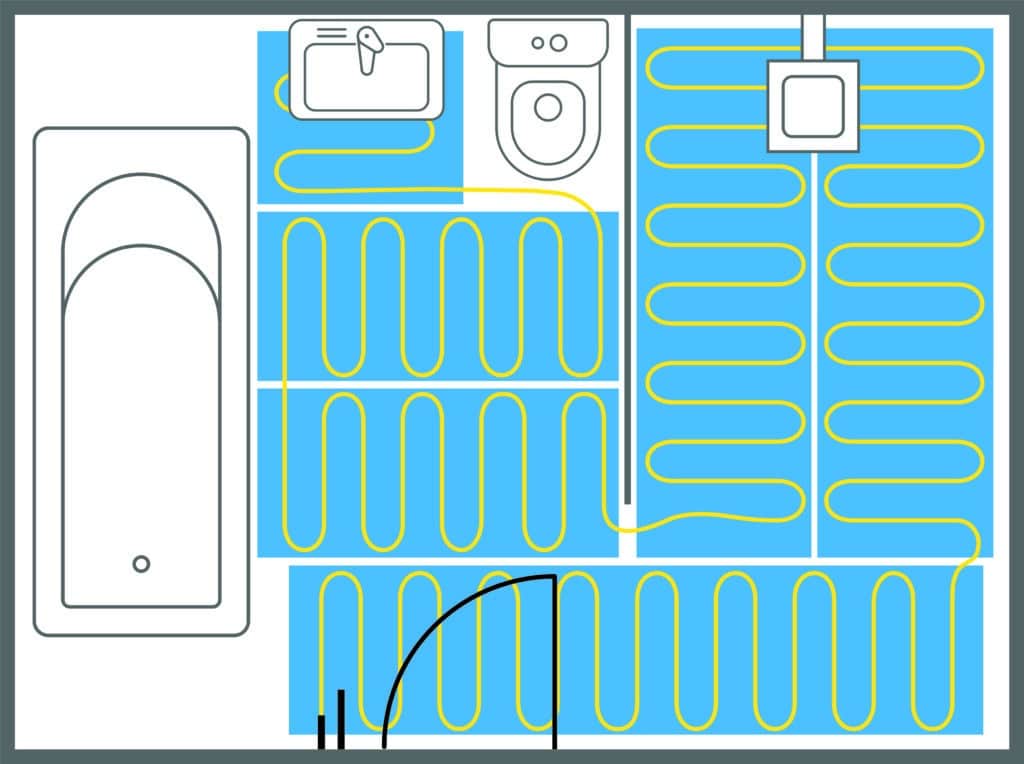
The same heating mat can be laid across the bathroom floor and continue into the shower area, our electric Underfloor Heating systems are safe for bathrooms and wet areas as they have an IP68 rating.
Some brands require separate heating mats for shower areas, which can add extra steps and sometimes create problems during installation. In some cases, this can lead to waterproofing complications, so planning the layout properly from the beginning is important.
Typical bathroom installation showing one heating mat being laid in the shower & main bathroom area.
Why would you install Underfloor Heating in the shower area?
There are a few reasons people choose to heat the shower floor as well as the bathroom floor.
A Warmer Bathroom
There’s nothing worse than stepping onto cold tiles, especially during winter. For Underfloor Heating to be the primary heat source in a room, at least 80% of the available floor space must be heated. This can be tricky, as Underfloor Heating cannot be installed underneath floor mounted fixtures like baths, toilets, and vanities.
A Drier Shower Floor
A heated tiled floor can help the shower area dry faster after use. This is especially useful in bathrooms that stay damp for long periods. It also dries any drips and splashes which escape the shower area, reducing the risk of slips and falls.
Helps Prevent Mould and Mildew
Bathrooms are naturally humid spaces, and moisture that sits on the floor can contribute to mould and mildew build-up. Underfloor Heating can help reduce lingering dampness by helping the floor dry out more quickly.
Why does mould happen in bathrooms?
Mould is usually caused by moisture and humidity building up in the room.
Bathrooms often stay damp because:
steam builds up during showers
ventilation isn’t always strong enough
cold surfaces attract condensation
water sits in corners, grout lines, and low-airflow areas
Even when the bathroom looks dry, moisture can still be trapped in the space.
Underfloor Heating can help reduce dampness
Underfloor Heating won’t replace good ventilation, but it can help reduce dampness by warming the floor and helping moisture evaporate faster.
This can make a noticeable difference in bathrooms that feel cold, damp, or slow to dry, especially during the cooler months.
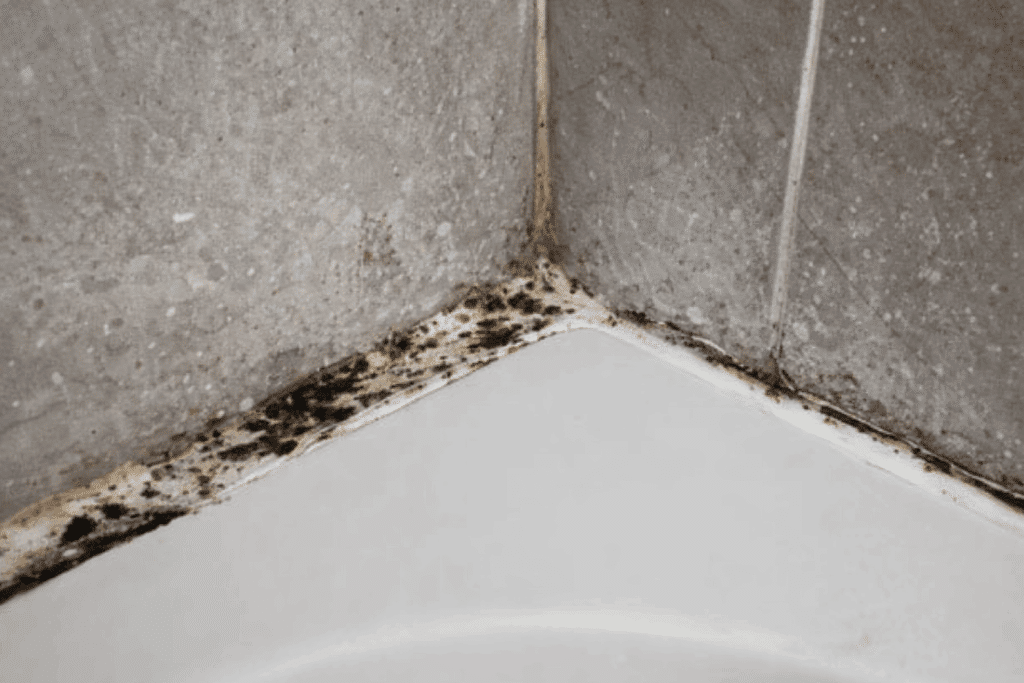
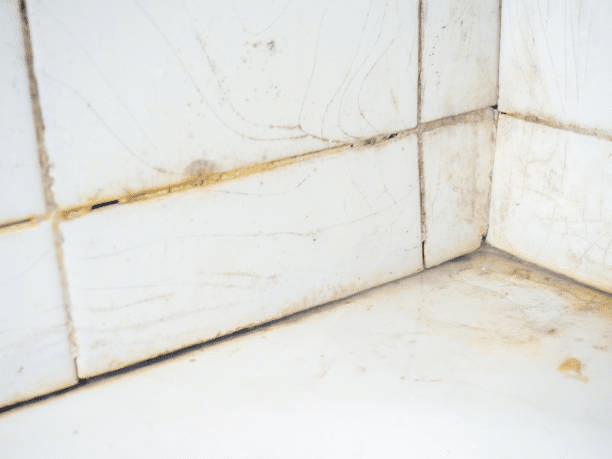
Underfloor Heating can help prevent your bathroom from looking like this
Summary
As long as the shower has a tiled floor and the system is suitable for wet areas, Electric Underfloor Heating can be installed in the shower and throughout the bathroom for a warmer, more comfortable space.
If you are renovating a bathroom and want Underfloor Heating in your bathroom, we recommend installing it in the shower as well.